


Saudi Arabia’s Prefabricated Buildings Market to Reach USD 3.73 Billion by 2031
06 Apr 2026
•
1 min read

Anna Fischer
Construction Content Writer


Saudi Arabia is increasingly turning to prefabricated and modular construction to speed up building timelines, simplify logistics, and advance the country’s broader national development agenda.

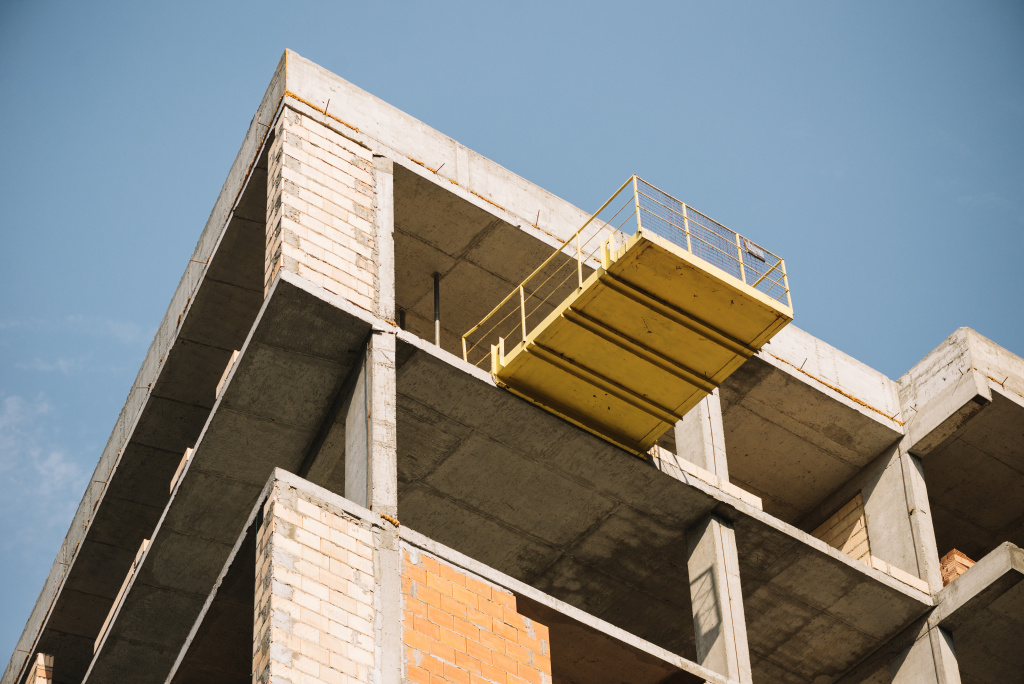
This shift is evident in major residential, infrastructure, and industrial projects, where faster delivery and more predictable construction processes are prioritized.
According to
a recent report, the Saudi Arabian prefabricated buildings market is estimated to reach USD 3.73 billion by 2031, up from USD 2.30 billion in 2025. This steady growth in demand for factory-built and modular solutions reflects developers' need for construction methods that can keep pace with the scale of the country’s investment pipeline.
Vision 2030 Drives Demand Across Major Projects
A major driver behind this trend is
Vision 2030. Saudi Arabia’s long-term transformation program continues to create demand for new cities, tourism infrastructure, residential districts, and industrial facilities. In this environment, prefabricated construction is gaining popularity because it reduces on-site work, shortens timelines, and improves coordination on large or remote projects.
The report also highlights the growing use of off-site construction in large-scale projects. Components made in controlled factory settings can be transported and assembled more efficiently than many conventional systems, especially for projects with tight deadlines.
Tourism is a contributing factor, though not the main one. Increasing visitor numbers, including religious pilgrims, are increasing the demand for additional accommodations and related infrastructure. Modular construction offers hotel operators and developers a faster way to expand capacity, especially when standardized layouts and shorter construction cycles are required.
Energy Efficiency Becomes a Stronger Market Advantage
An important part of the story is energy efficiency. Prefabricated buildings are increasingly aligned with
national building standards and sustainability goals because standardized manufacturing makes it easier to integrate advanced materials, high-performance building envelopes, and more efficient climate control systems.
Compared with less controlled on-site construction processes, factory-based production can improve precision and reduce waste. It also helps developers deliver buildings that better meet energy-efficiency requirements. As these standards become more important, modular construction is strengthening its position as a practical solution for projects that need both speed and compliance.
For construction contractors, this points to a market where demand is shifting toward faster delivery models, stronger production capabilities, and closer alignment with efficiency and regulatory requirements. Firms that can combine modular execution, reliable project timelines, and energy-conscious building solutions are likely to be better positioned as Saudi Arabia’s development pipeline continues to expand.

Anna Fischer
Construction Content Writer
Share this article
'%3e%3cg%20clip-path='url(%23clip1_6548_6055)'%3e%3cpath%20d='M13.974%2015.6195C14.2724%2016.0185%2014.6532%2016.3487%2015.0905%2016.5876C15.5278%2016.8265%2016.0114%2016.9686%2016.5084%2017.0042C17.0055%2017.0398%2017.5043%2016.9681%2017.9712%2016.7939C18.4381%2016.6198%2018.8621%2016.3472%2019.2143%2015.9948L21.2994%2013.9098C21.9324%2013.2544%2022.2827%2012.3766%2022.2747%2011.4654C22.2668%2010.5543%2021.9014%209.68269%2021.257%209.03839C20.6127%208.39408%2019.7412%208.02862%2018.83%208.0207C17.9189%208.01278%2017.0411%208.36305%2016.3857%208.99606L15.1902%2010.1845M16.754%2014.2295C16.4555%2013.8305%2016.0747%2013.5003%2015.6374%2013.2614C15.2002%2013.0225%2014.7166%2012.8804%2014.2196%2012.8448C13.7225%2012.8092%2013.2237%2012.8809%2012.7568%2013.0551C12.2899%2013.2292%2011.8659%2013.5018%2011.5136%2013.8542L9.42861%2015.9392C8.7956%2016.5946%208.44534%2017.4724%208.45326%2018.3836C8.46117%2019.2947%208.82664%2020.1663%209.47094%2020.8106C10.1152%2021.4549%2010.9868%2021.8204%2011.898%2021.8283C12.8091%2021.8362%2013.6869%2021.4859%2014.3423%2020.8529L15.5308%2019.6645'%20stroke='%235F7896'%20stroke-width='1.39002'%20stroke-linecap='round'%20stroke-linejoin='round'/%3e%3c/g%3e%3c/g%3e%3crect%20x='0.438953'%20y='0.438953'%20width='28.9709'%20height='28.9709'%20rx='14.4855'%20stroke='%235F7896'%20stroke-width='0.877907'/%3e%3cdefs%3e%3cclipPath%20id='clip0_6548_6055'%3e%3crect%20width='29.8488'%20height='29.8488'%20rx='14.9244'%20fill='white'/%3e%3c/clipPath%3e%3cclipPath%20id='clip1_6548_6055'%3e%3crect%20width='16.6802'%20height='16.6802'%20fill='white'%20transform='translate(7.02344%206.58435)'/%3e%3c/clipPath%3e%3c/defs%3e%3c/svg%3e)


Related articles


See all




See FirstBit ERP solutions in action
Discover how our system solves the unique challenges of contractors in a personalized demo.
After the demo you will get a quotation for your company.