





Key Giga Projects under Vision 2030 and Their Impact on the Saudi Economy
23 Feb 2026
•
12 min read

Anna Fischer
Construction Content Writer
Saudi Arabia is entering a new era of growth under Vision 2030, a national strategy that aims to diversify the economy, attract investment, and modernize infrastructure. The program has set in motion a series of ambitious Saudi Vision 2030 projects that are reshaping the country’s cities, industries, and global standing.
These developments span multiple sectors, from tourism and entertainment to housing and urban planning, reflecting a clear vision for sustainable and technology-driven progress.
This article explores Saudi Arabia’s key Vision 2030 projects, their impact on the construction sector, and the role of ERP software in supporting efficient, transparent, and well-coordinated project execution.
What Are Saudi Vision 2030 Projects
Launched in 2016, Vision 2030 is a national program aimed at diversifying Saudi Arabia’s economy, reducing reliance on oil, and modernizing social and infrastructure systems.
The initiative is built on three main pillars: a vibrant society, a thriving economy, and an ambitious nation. Under Vision 2030, the government has introduced a wide range of projects in areas such as infrastructure, tourism, culture, technology, housing, and urban development.
These Vision 2030 Saudi Arabia projects are implemented through Vision Realization Programs, with government entities overseeing execution and the Public Investment Fund (PIF) serving as a key investor and enabler.
Top 12 Vision 2030 Projects
These giga projects span a wide range of sectors, including urban development, tourism, energy, transportation, and culture. The most notable of these Vision 2030 projects include:
1. NEOM: The Line
The Line is an urban development within Saudi Arabia’s NEOM megacity, envisioned as a 170-kilometer linear city centered on sustainability, innovation, and human-focused design.
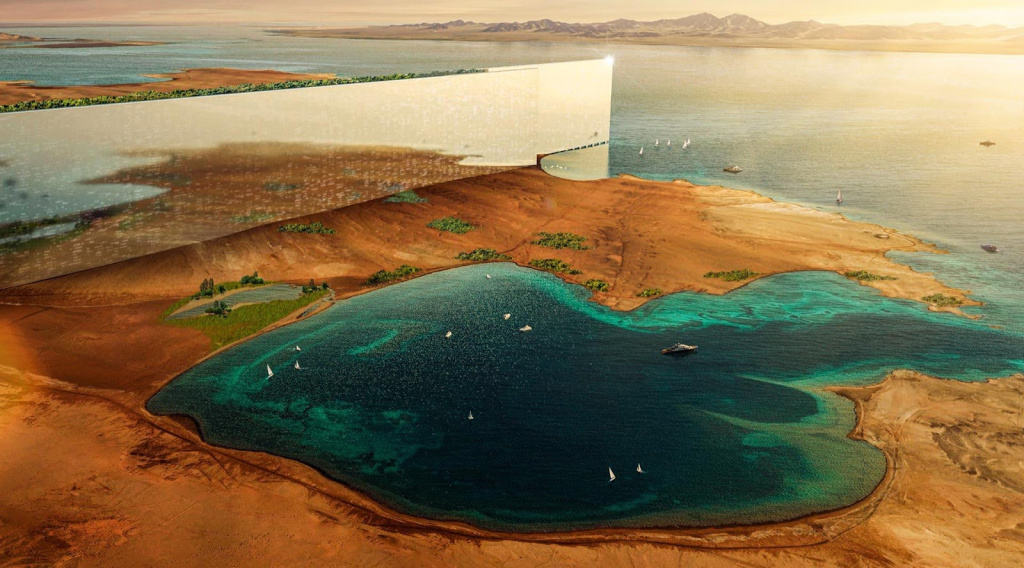
NEOM is one of the flagship Vision 2030 projects of the Kingdom. Planned as a zero-carbon community with no cars or streets, it will accommodate millions of residents while preserving most of the surrounding natural environment.
Every element of The Line is powered by renewable energy and supported by advanced technology, including AI systems, high-speed transit, and smart infrastructure designed to ensure efficient and seamless mobility. Its vertical structure minimizes land use while maximizing walkability and comfort.
Construction is advancing across several zones, with key infrastructure already underway. Completion is expected between 2030 and 2045, positioning The Line as a new global model for sustainable, connected living.
2. NEOM: Trojena
Trojena is a mountain tourism destination within NEOM, designed as a year-round ski resort that combines luxury, adventure, and environmental responsibility.
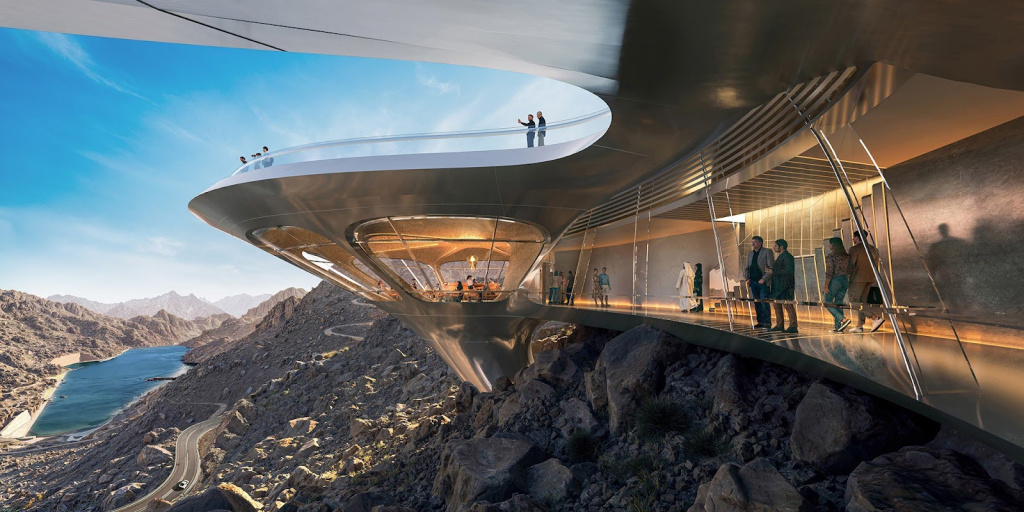
Located in the Tabuk region, it will include world-class hotels, ski slopes, and outdoor recreation such as hiking, biking, and water sports.
Work is progressing steadily, with major infrastructure and hospitality components already in development. This Vision 2030 project aims to attract international visitors and promote Saudi Arabia as a global hub for mountain and adventure tourism. It is scheduled for completion in 2029.
3. The Red Sea Project
The Red Sea Project is one of Saudi Arabia’s flagship Vision 2030 projects, created to redefine sustainable tourism on a global scale.
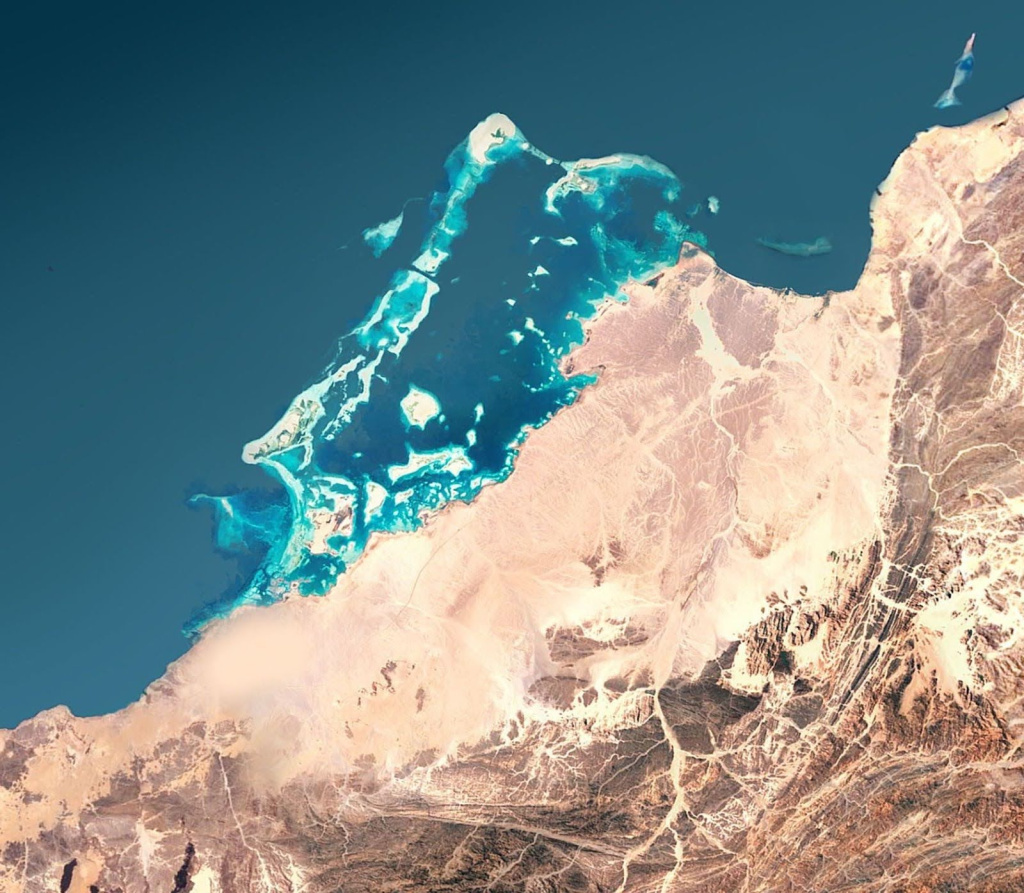
Spanning 28,000 square kilometers of coastline, islands, and desert, it combines luxury tourism with environmental preservation.
The master plan includes resorts, marinas, and cultural attractions, all built with strong commitments to coral reef protection and renewable energy use. Sustainability guides every stage of construction and operation.
Phase One, set to open in 2025, will introduce eco-friendly hotels, floating villas, and renewable energy systems. By 2030, the destination aims to host around one million visitors each year and set new benchmarks for responsible tourism.
4. Amaala
Amaala is a luxury tourism megaproject under construction as part of the Vision 2030 program. Developed by Red Sea Global, a Public Investment Fund subsidiary, it is designed to become a premier destination for wellness, culture, and sustainable living.
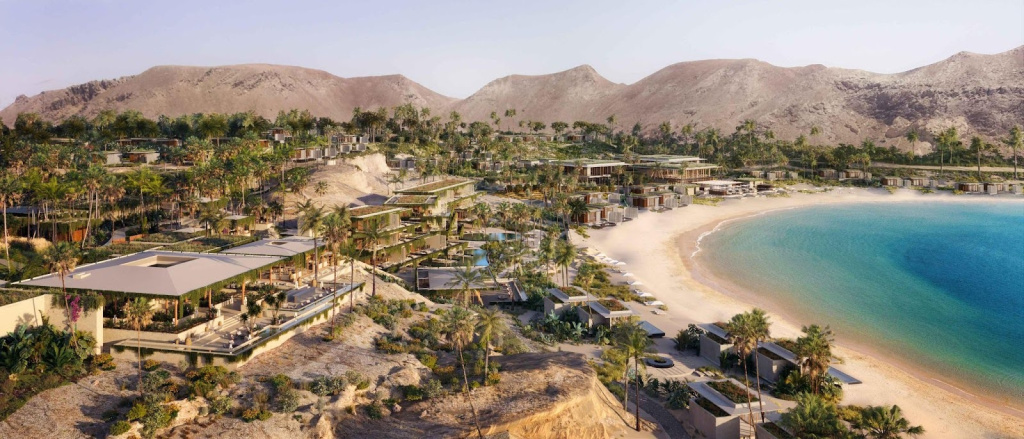
Covering more than 4,200 square kilometers, Amaala includes three main areas: The Coastal Development, Amaala Island, and Triple Bay. Together, they will feature high-end resorts, marinas, and cultural experiences for international travelers.
The first phase, scheduled to open in 2025, will introduce eight destinations with seven resorts and a yacht club, marking a significant step toward Saudi Arabia’s luxury tourism expansion.
5. Qiddiya
Qiddiya is an entertainment and tourism megaproject near Riyadh, forming part of Saudi Arabia’s Vision 2030 plan. It aims to be the kingdom’s capital of entertainment, sports, and culture, offering attractions for residents and visitors alike.
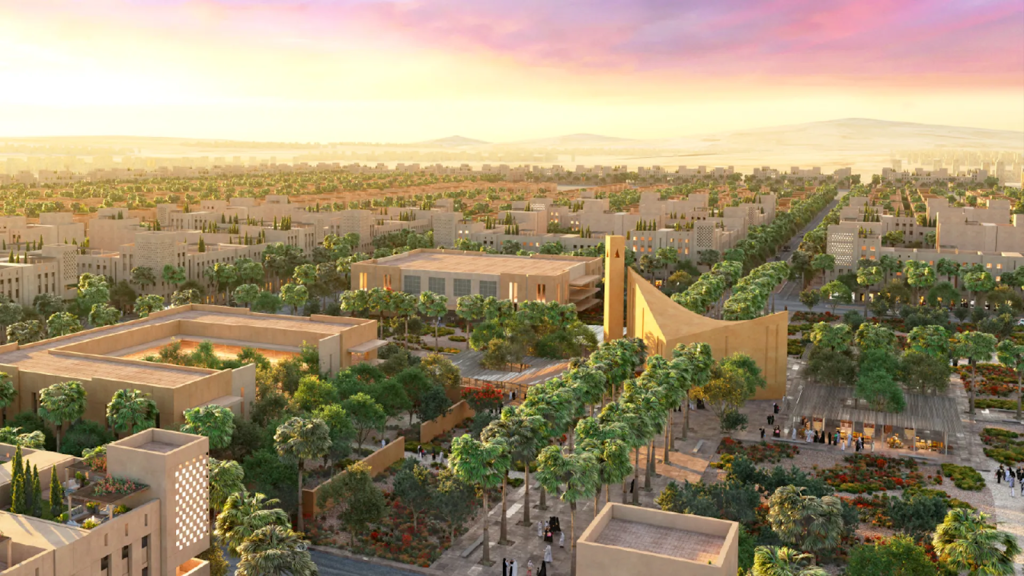
Construction began in 2019, and several major components are in progress, including Six Flags Qiddiya City, the Aquarabia waterpark, and a Formula One racetrack expected to open in 2027.
Upon completion, Qiddiya will feature theme parks, sports arenas, hotels, and cultural districts, reinforcing Riyadh’s position as a leading leisure and tourism destination.
6. ROSHN
Roshn is a real estate initiative launched by the Public Investment Fund to create sustainable, modern communities across Saudi Arabia. This Vision 2030 project focuses on combining premium housing with smart city infrastructure to improve the quality of life.
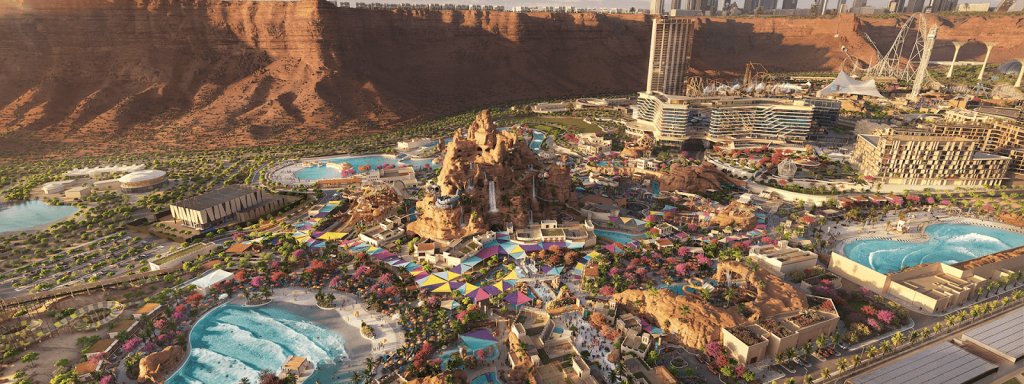
Each development includes green spaces, schools, hospitals, and retail areas designed to build integrated and livable communities. The project promotes sustainability and efficient urban design.
Roshn also supports Vision 2030 goals through job creation and private sector participation. In addition, it is investing in large sports projects, such as the Roshn Stadium in Riyadh and the Aramco Stadium in Al Khobar, both expected to host 2034 FIFA World Cup events.
7. Diriyah
Diriyah, located near Riyadh, is a cultural and heritage development celebrating over 600 years of Najdi history. The project blends traditional Saudi architecture with modern design to create a destination that honors the past while embracing the future.
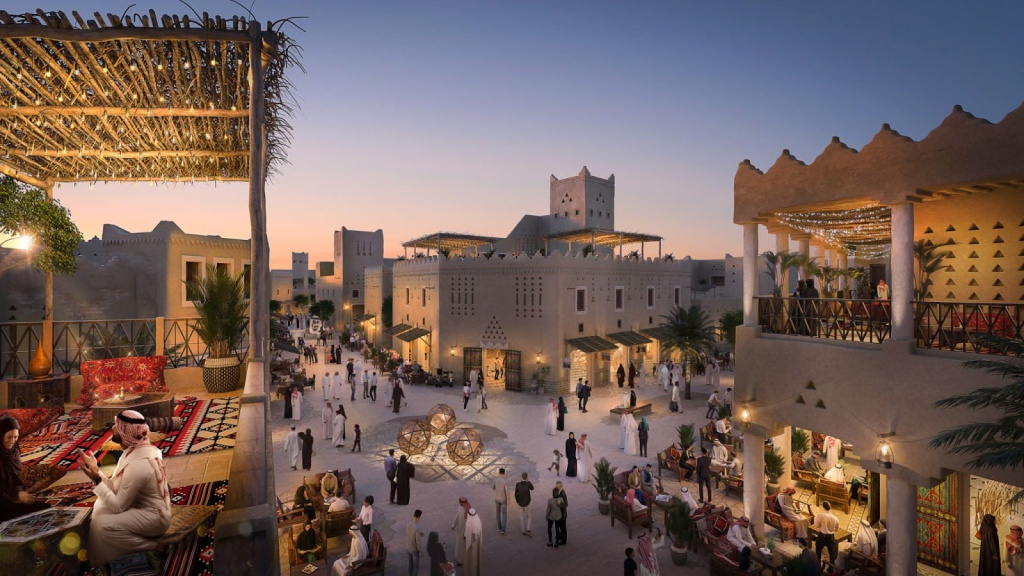
Its design emphasizes walkability, sustainability, and energy efficiency to create a comfortable, pedestrian-friendly environment. The project aims to preserve the essence of Najdi culture while offering contemporary experiences.
Diriyah will include retail, business, and cultural venues, making it a landmark of Vision 2030 and a symbol of Saudi Arabia’s commitment to cultural preservation and innovation.
8. New Murabba
New Murabba is a mixed-use development under construction in northwestern Riyadh and eastern Diriyah. Announced in 2023 by Crown Prince Mohammed bin Salman, it is planned as the world’s largest modern downtown and a core Vision 2030 project.
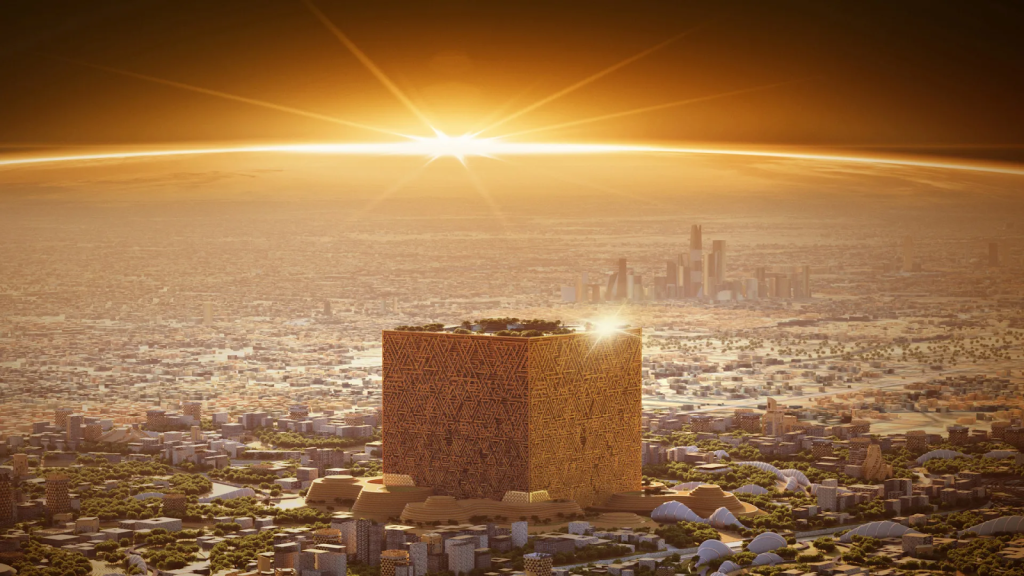
The development will feature residential, commercial, and cultural zones centered around the Mukaab, a 400-meter-tall cuboid skyscraper that will serve as the project’s centerpiece. The building will house immersive experiences, hospitality, and retail in a climate-controlled setting.
Once completed, New Murabba will become the world’s second climate-controlled indoor city, transforming Riyadh’s skyline and redefining the modern downtown experience.
9. Masar Destination
Masar Destination, also known as Masar, is a mixed-use development under construction in Mecca.
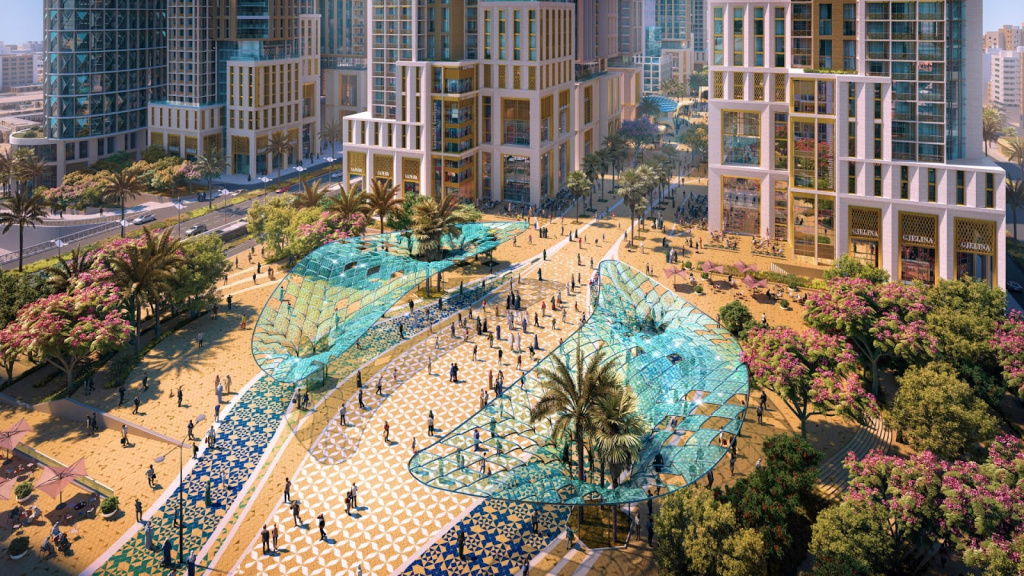
Developed by Umm Alqura for Development and Construction, a Public Investment Fund company, it was officially announced in 2020. The project extends 3.65 kilometers toward the Masjid al-Haram.
Masar supports Vision 2030 by expanding Mecca’s capacity to accommodate up to 30 million pilgrims annually. It also improves urban infrastructure and public amenities to better serve residents and visitors. The project will generate about 16,000 jobs and encourage private sector growth in Mecca’s hospitality and services industries.
10. Jeddah Central
Jeddah Central is a $20 billion real estate project on Jeddah’s waterfront, developed by the Jeddah Central Development Company, a Public Investment Fund subsidiary. Announced in December 2021, it covers 5.7 square kilometers.
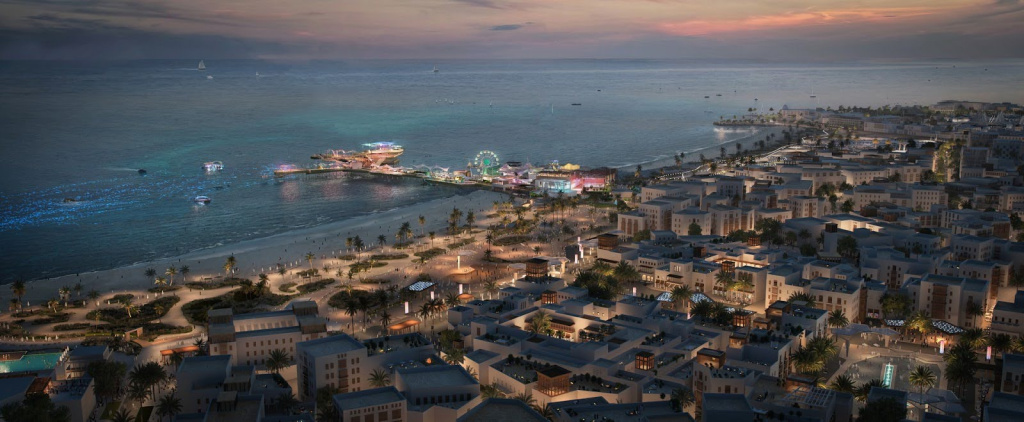
The project aligns with Vision 2030’s goal of economic diversification. It is expected to create 25,000 jobs and add over $12.5 billion to the national GDP by 2030.
Development will proceed in three phases, with the first scheduled for completion in 2027. The master plan includes 17,000 residential units, 2,700 hotel rooms, commercial zones, and cultural landmarks.
11. King Salman Park
King Salman Park is an urban development project in Riyadh managed by the King Salman Park Foundation. Launched in 2019 as part of the Green Riyadh initiative, it aims to expand green space and improve urban livability.
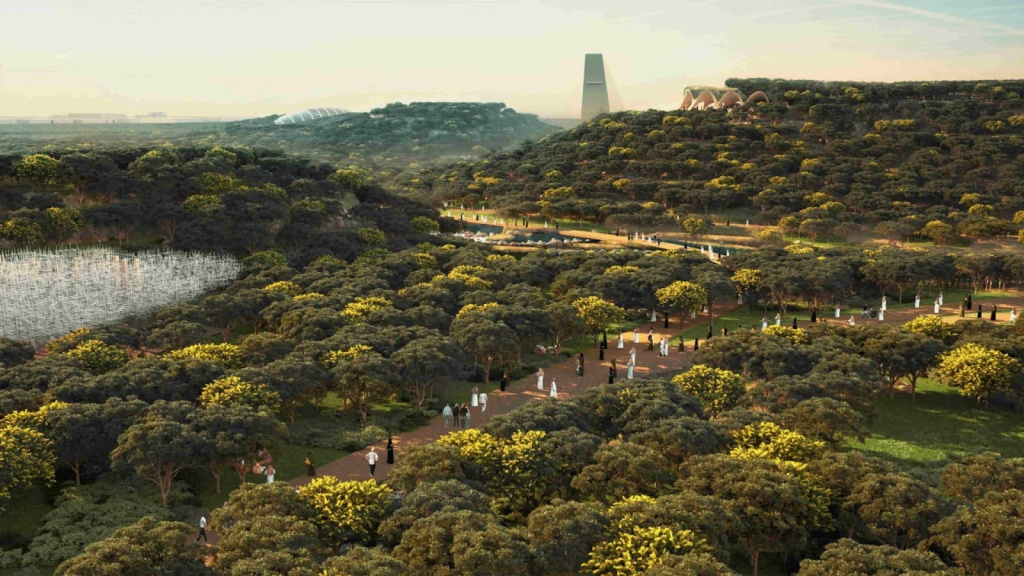
The park spans more than 16 square kilometers on the former Riyadh Air Base, making it one of the largest urban parks in the world. It will be seven times larger than Hyde Park in London and five times larger than Central Park in New York.
Construction contracts were awarded in 2021, and progress continues. Once completed, the park will include gardens, entertainment venues, cultural spaces, and recreational areas, serving as a major attraction for Riyadh’s residents and visitors.
12. Rua Al Madinah
Rua Al Madinah is a large-scale urban development project managed by Rua Al Madinah Holding, a company fully owned by Saudi Arabia’s Public Investment Fund. This Vision 20230 project focuses on modernizing and expanding the urban landscape of Madinah through sustainable and well-planned design.
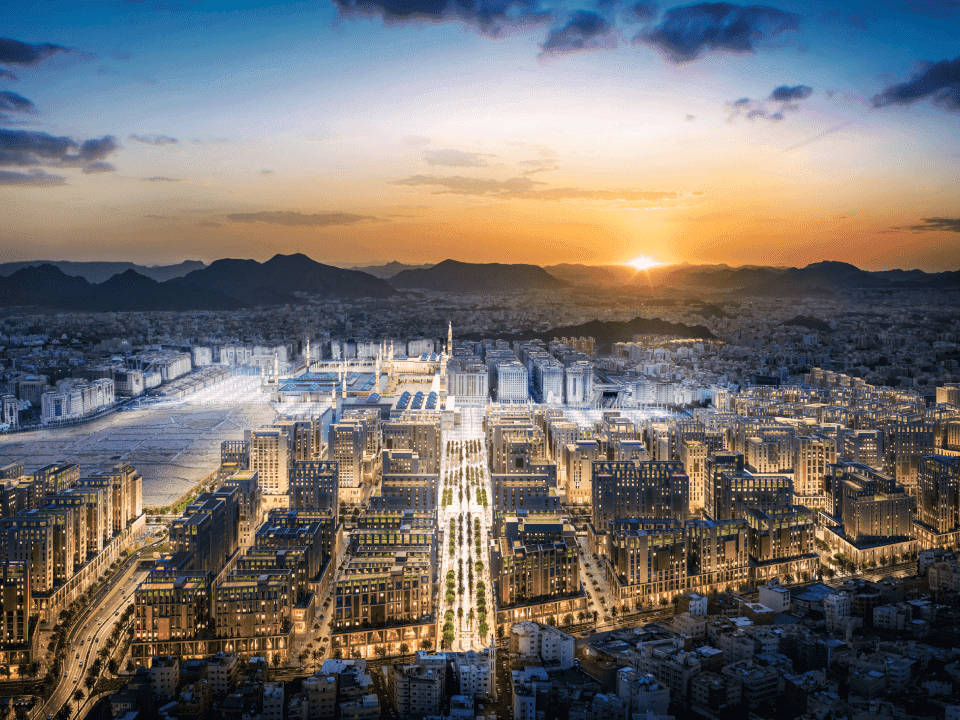
The development aims to create an integrated hospitality and retail ecosystem that enhances the experience of both residents and visitors. It includes hotels, commercial spaces, and public facilities designed to improve services for pilgrims and strengthen Madinah’s position as a leading Islamic and cultural destination.
Aligned with Vision 2030, Rua Al Madinah supports Saudi Arabia’s goal of accommodating up to 30 million Hajj and Umrah pilgrims annually by 2030, while promoting cultural preservation and urban development in one of the kingdom’s most significant cities.
Impact of Saudi Megaprojects on the Construction Industry
Saudi Arabia’s Vision 2030 projects, including NEOM, The Red Sea Project, Amaala, Qiddiya, and others, are reshaping the country’s construction sector. These initiatives are creating sustained demand for new infrastructure, housing, hospitality, and transport systems across multiple regions.
The construction industry is expanding in scale and complexity. Thousands of contractors, suppliers, and engineering firms are operating simultaneously, which requires stronger coordination and planning. New mega projects in Saudi Arabia under Vision 2030 also increase the need for skilled labor, efficient procurement, and digital project management systems.
In addition, new standards for sustainability, safety, and technology adoption are being introduced. Developers are expected to integrate renewable energy, smart infrastructure, and environmentally responsible practices into construction. This shift requires better data visibility, quality control, and regulatory compliance.
How ERP Software Supports the Execution of Vision 2030 Projects
ERP software plays a central role in the execution of Vision 2030 Saudi Arabia projects by connecting all key operational areas in a single, unified system. It helps developers, contractors, and project managers control costs, manage resources, and maintain compliance throughout each phase of construction.
Below is a closer look at how FirstBit ERP was developed for construction functions, supporting the specific needs of megaprojects like those under Project Vision 2030.
1. Project and Cost Control
FirstBit ERP software provides detailed control over project budgets, progress, and expenditures. Each project can be broken down into phases, cost centers, and activities for accurate monitoring.
- Budgeting and forecasting involve allocating funds for materials, labor, and subcontractors while comparing planned and actual costs in real time.
- Progress tracking records work completion percentages, identifies delays, and recalculates timelines automatically.
- Cost variance analysis generates reports that highlight overspending or inefficiencies early, allowing teams to take corrective action before they affect delivery.

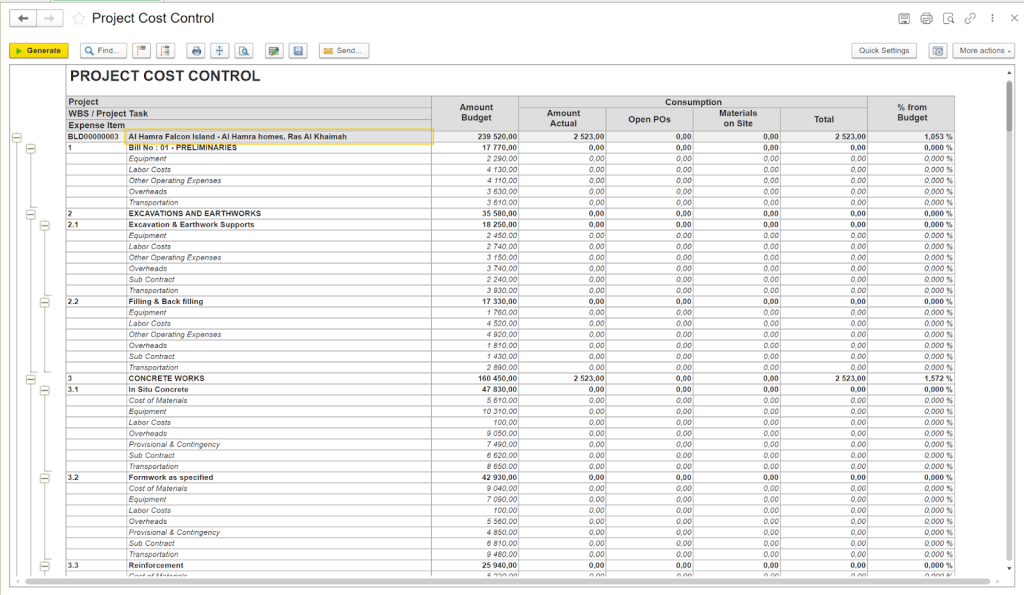
Project Cost Control in FirstBit ERP
This centralized visibility ensures Vision 2030 projects stay within budget and on schedule, even when multiple contractors or regions are involved.
2. Procurement and Supply Chain Management
Procurement is one of the most complex aspects of large construction projects. At this step, FirstBit ERP system automates and standardizes purchasing to ensure materials and services are delivered on time and within approved budgets.
- Automated requisitions and approvals allow site engineers to raise material requests digitally, which are then routed for approval and purchasing.
- Vendor management maintains a complete database of suppliers, contracts, and performance ratings to support better selection and negotiation.
- Material tracking provides end-to-end visibility of goods movement from purchase orders to delivery receipts across warehouses and construction sites.
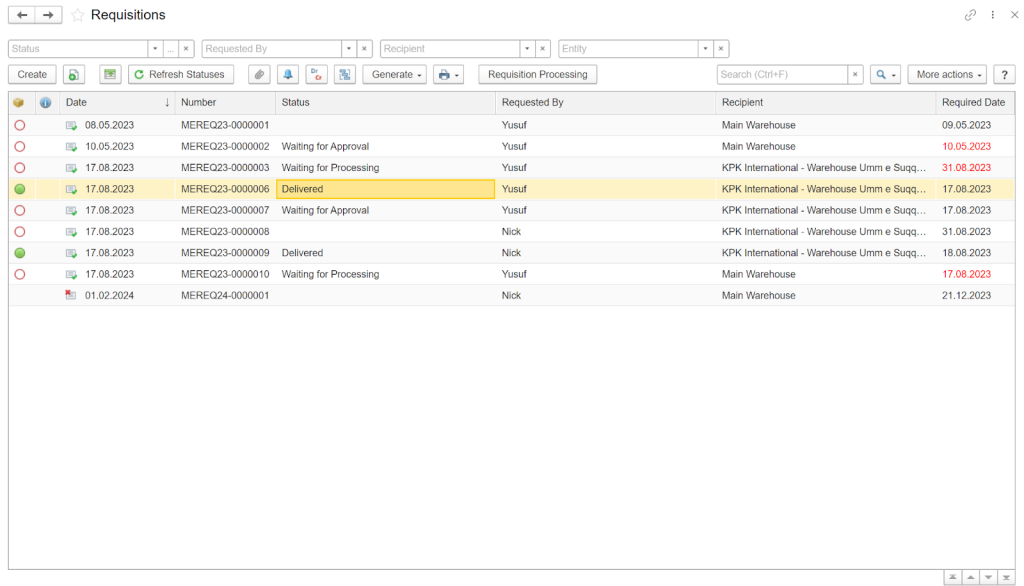
Requisitions in FirstBit ERP
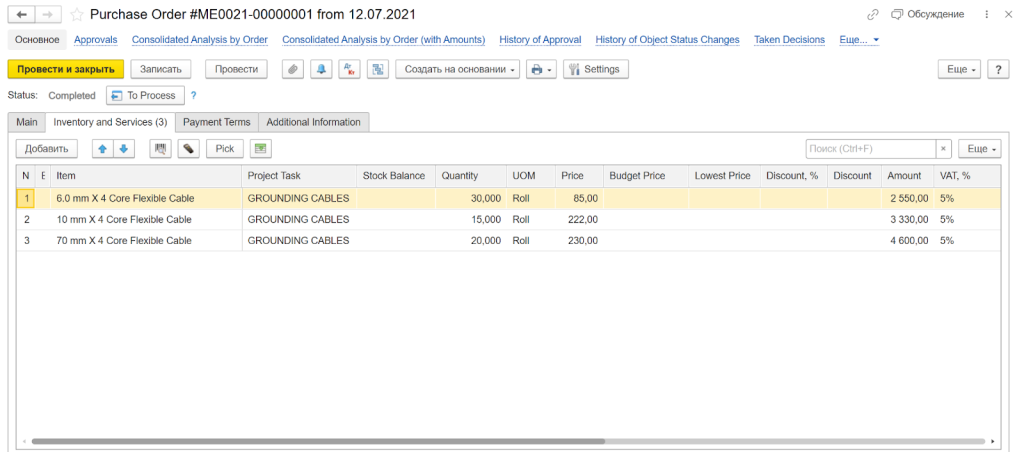
Purchase Order in FirstBit ERP
This helps reduce procurement delays, avoid stock shortages, and control unnecessary purchases.
3. Financial and Regulatory Compliance
Large construction projects, such as those under Project Vision 2030, require strict adherence to accounting standards and government regulations. ERP software ensures compliance while maintaining full financial transparency. FirstBit ERP, in particular, is designed to meet Saudi regulatory requirements, supporting VAT, ZATCA e-invoicing, and IFRS compliance.
- Accounting integration ensures that all financial transactions, including supplier invoices and subcontractor payments, are automatically recorded under IFRS-compliant ledgers.
- Tax and audit readiness supports compliance with Saudi VAT laws and generates reports required for audits and regulatory reviews.
- Multi-entity management enables companies handling multiple Vision 2030 projects or operating across regions to consolidate data into unified financial statements.
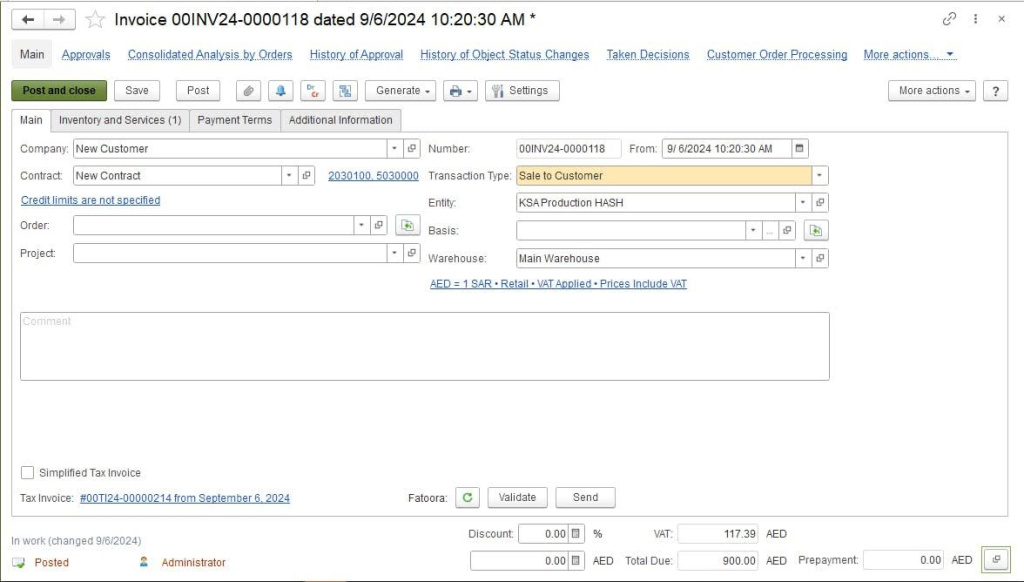
Invoice in FirstBit ERP
This integration minimizes accounting errors and simplifies financial reporting for both internal management and government oversight.
F.A.Q.
What are the main giga projects under Saudi Vision 2030?
How do giga projects boost the Saudi economy?
What role does the construction industry play in these projects?

Anna Fischer
Construction Content Writer
Share this article
'%3e%3cg%20clip-path='url(%23clip1_6548_6055)'%3e%3cpath%20d='M13.974%2015.6195C14.2724%2016.0185%2014.6532%2016.3487%2015.0905%2016.5876C15.5278%2016.8265%2016.0114%2016.9686%2016.5084%2017.0042C17.0055%2017.0398%2017.5043%2016.9681%2017.9712%2016.7939C18.4381%2016.6198%2018.8621%2016.3472%2019.2143%2015.9948L21.2994%2013.9098C21.9324%2013.2544%2022.2827%2012.3766%2022.2747%2011.4654C22.2668%2010.5543%2021.9014%209.68269%2021.257%209.03839C20.6127%208.39408%2019.7412%208.02862%2018.83%208.0207C17.9189%208.01278%2017.0411%208.36305%2016.3857%208.99606L15.1902%2010.1845M16.754%2014.2295C16.4555%2013.8305%2016.0747%2013.5003%2015.6374%2013.2614C15.2002%2013.0225%2014.7166%2012.8804%2014.2196%2012.8448C13.7225%2012.8092%2013.2237%2012.8809%2012.7568%2013.0551C12.2899%2013.2292%2011.8659%2013.5018%2011.5136%2013.8542L9.42861%2015.9392C8.7956%2016.5946%208.44534%2017.4724%208.45326%2018.3836C8.46117%2019.2947%208.82664%2020.1663%209.47094%2020.8106C10.1152%2021.4549%2010.9868%2021.8204%2011.898%2021.8283C12.8091%2021.8362%2013.6869%2021.4859%2014.3423%2020.8529L15.5308%2019.6645'%20stroke='%235F7896'%20stroke-width='1.39002'%20stroke-linecap='round'%20stroke-linejoin='round'/%3e%3c/g%3e%3c/g%3e%3crect%20x='0.438953'%20y='0.438953'%20width='28.9709'%20height='28.9709'%20rx='14.4855'%20stroke='%235F7896'%20stroke-width='0.877907'/%3e%3cdefs%3e%3cclipPath%20id='clip0_6548_6055'%3e%3crect%20width='29.8488'%20height='29.8488'%20rx='14.9244'%20fill='white'/%3e%3c/clipPath%3e%3cclipPath%20id='clip1_6548_6055'%3e%3crect%20width='16.6802'%20height='16.6802'%20fill='white'%20transform='translate(7.02344%206.58435)'/%3e%3c/clipPath%3e%3c/defs%3e%3c/svg%3e)


See FirstBit ERP solutions in action
Discover how our system solves the unique challenges of contractors in a personalized demo.
After the demo you will get a quotation for your company.